The purchase of a large-scale vehicle or a personal travel trailer can be a dream come true. These machines are symbols of freedom, and we can bring all the comforts of home with us to the heart of the wilderness or to the expanse of the highway. But owning a car always requires a balancing act between enjoyment of the ride and the need for maintenance.
Each additional mile on the odometer brings a vehicle closer to an important point where the owner must answer the question of whether or not the asset is still roadworthy or whether it is now a candidate for liquidation. Understanding this lifecycle and applying a strategic approach to maintenance and a clear-eyed understanding of Tom Joyce Automotive economics is required.
This can happen slowly, or all of a sudden, when a key system fails. The primary concern for the early and middle life of a vehicle is preservation. Certain systems, like the on-board plumbing, the power system, and climate control, are specialized and demand a skill set that goes beyond anything a car-maintenance person might be familiar with.
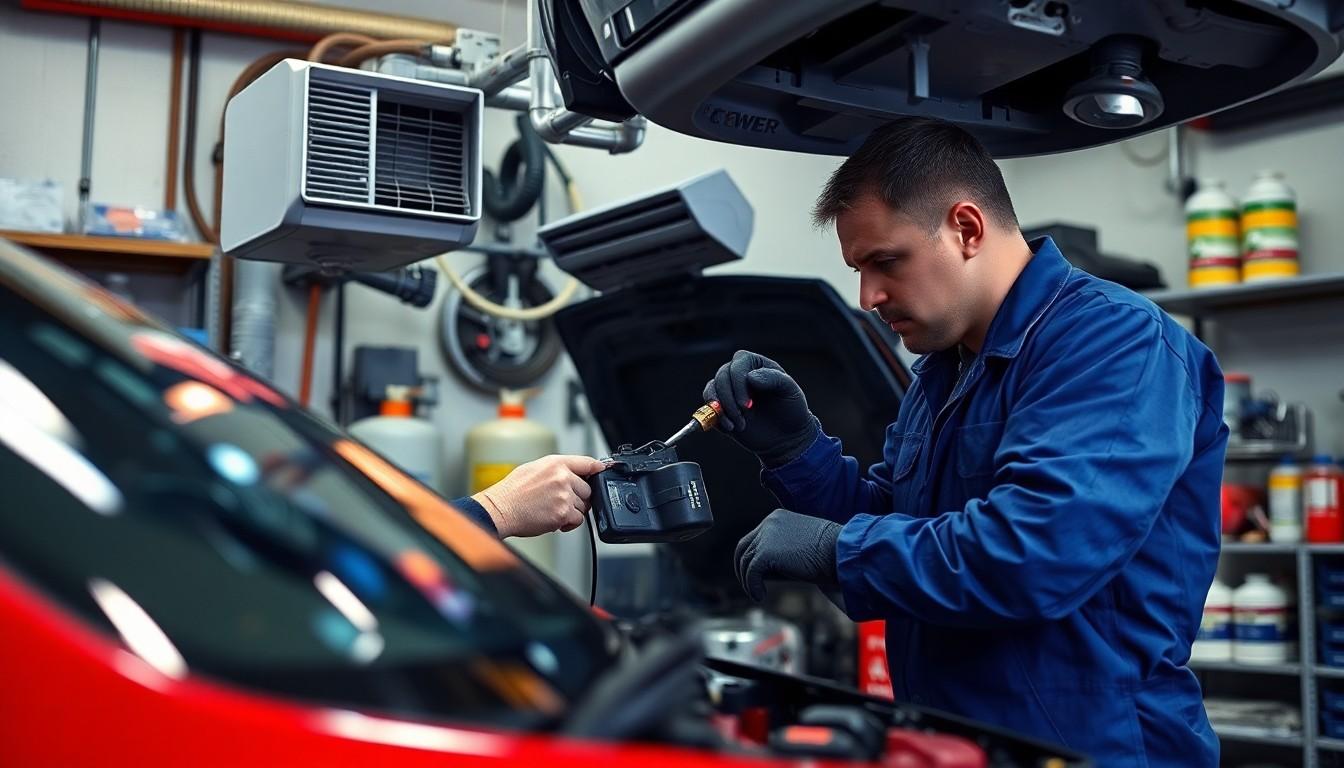
If these systems fail, it can be difficult and costly to transport such a big unit to a conventional repair shop. To try to overcome these problems and help keep your travels moving, you might consider stopping at the RV shop and finding out what professional mobile technicians can do to solve complicated problems at your campsite and/or driveway. This contemporary method of maintenance means that you need to be more concerned with enjoying your investment and less with the mechanics of a tow.
At some point, even the most careful maintenance will not prevent a high-mileage car from deteriorating. Once structural integrity is compromised or the repair cost is more than the market value of an entire unit, the focus should change from restoration to recovery. This is the time to get whatever else is of monetary value from the metal and parts that did well for you.
You will find a professional buyer, and the final phase of your automobile’s trip is going to be a stress-free one, and you will get a fair price. When mechanical problems start to be too common and costly, you’ll be better off reaching out to BYOT Auto Parts for a speedy financial move so you can turn your attention to the next purchase. This is an easy step that converts a potential liability into an asset.
Why is On-Site Maintenance the future of Ownership
When it comes to vehicle repair, the traditional concept is geared more towards smaller cars, and vehicle owners with larger, specialized vehicles are left out of the picture when something goes wrong. Mobile repair services have changed all this; they take the tools, parts, and expertise right to the consumer.
The Objective is to Remove the Logistics of the Tow
The major obstacle many owners face with a special vehicle is moving it. When a slide-out door locks or a leveling jack doesn’t move back into the frame, the car is trapped and stranded. Of course, mobile techs don’t have to deal with this.
They come in with fully outfitted service vans that act as a rolling garage. This saves the owner hundreds of dollars in special towing fees and also prevents possible further damage caused by towing a non-functional unit across a parking lot or onto a flatbed.
The use of Real-Time Diagnostics in a Real-Life Context
Having a technician look at a vehicle in its operating environment can have a definite benefit. For example, a transient problem could occur only when the vehicle is plugged into a certain kind of power source or when it is positioned at a particular parking angle. On-site service means that the technician will be able to diagnose sources of contamination that they may never see in a sterile shop. This results in more effective, lasting repairs and solves the underlying issue, not just the symptoms.
Identifying the Turning Point in Finances
One of the hardest decisions you may make as a vehicle owner is when to cash in. It’s a mix of logic and emotion. Knowing when it’s starting to sink and when it’s the end of the road is crucial to keeping your financial health intact and avoiding a money sink.
The 50% Rule
The fifty-percent rule applies to automotive experts as well. As a general rule, if the estimated cost of one repair is more than half the value of the car, it’s time for car liquidation. It may seem like a good idea to repair a big problem with an engine to extend its life, but the money is better spent as a down payment on a newer, more reliable engine. Cars are a depreciating asset, and at some point, the benefit of major repairs is no longer worth it.
Evaluating Cumulative Costs
In addition to any big repairs, the owner should monitor how often minor repairs are required. A car that needs an “oil change” every other month is often an indicator of the fact that the major systems are near the end of their design life.
Combined with the loss of productivity due to frequent visits, the potential for breakdowns, and the stress of the frequent visits, the total cost of ownership is easily understood. If you can spot this trend early, you can sell the car before it’s completely down and out.
The Stationary Burden: A Means to an End
Once a car is no longer a vehicle but a permanent fixture in your yard, it’s time for a quick and responsible exit. The salvage and recycling business is an important service that transforms “end-of-life” vehicles into raw materials and spare parts.
The Advantages of Professional Salvage are Quite Clear
When it comes to selling a non-running car, it’s much more effective to use a professional liquidation service. Some people who want to buy the car privately are seeking a deal and may not proceed with the purchase if the mechanical problems are too extensive.
Specialized buyers, on the other hand, recognize the worth of the scrap metal and the distinct parts that can be refitted. They have a guaranteed transaction, will deal with all the paperwork, and for the owner, this is often the best part of the deal: free removal.
Environmental Responsibility: Automotive Disposal
Not only does liquidating a junk vehicle affect the finances, but it also has an impact on the environment. Professional recycling centers have the specialized equipment necessary to drain and safely dispose of potentially toxic liquids such as engine oil, coolant, and brake fluid that would otherwise contaminate the soil.
Moreover, the recycling of steel and aluminum from just one car can also conserve a great deal of energy as compared to the refining of new ore. You have the ability to select the liquidation service that you can trust, and you are working to ensure that your old car is taken care of in the best way possible, which makes it less harmful to the environment.
Finally, major vehicle assets have a life cycle, from open road to responsible retirement. Having the ability to extend the “road-ready” phase with mobile repair services while having the confidence and simplicity of entrusting the “cash-ready” phase to professional liquidation services can help you overcome the challenges of owning a vehicle.