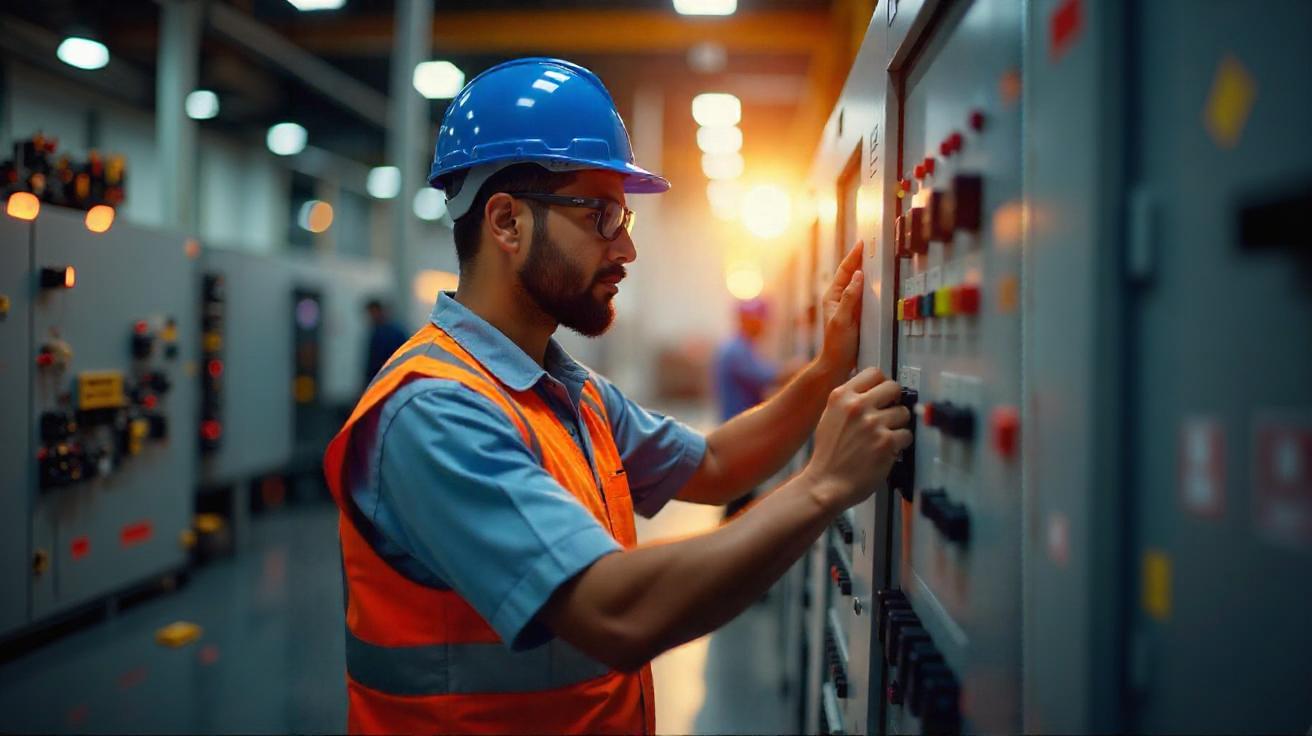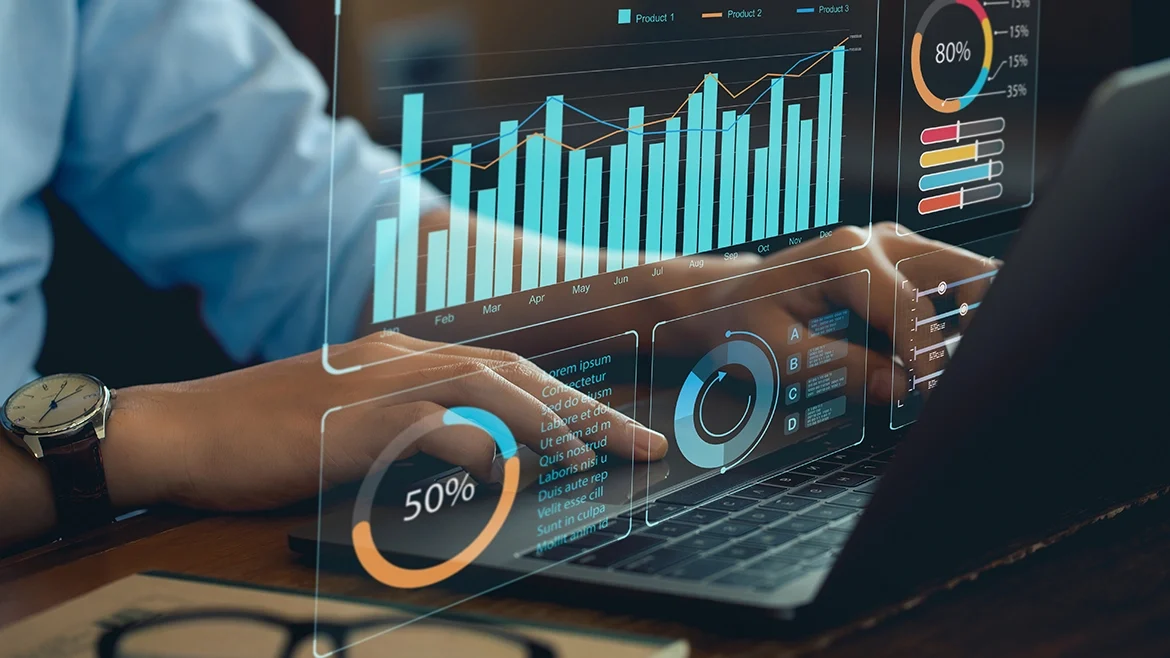
The office is meant to be a place where people are able to focus, grow, and be motivated instead of the additional chores that remain after an exhausting day of work. The way in which people view their workplaces has changed over the last few years. They’re no longer offices. They are vibrant ecosystems that define efficiency and health. With the rise in expectations, the challenges also grow. In order to create the ideal setting, continuous supervision is required. Managers would constantly alter their work processes, checking interactions or monitoring the performance using a manual. Today, smart systems are able to help manage this complication. Intelligent technology lets organizations create environments that are in balance, which allows people to focus on their work.
Strategies and Operations have been Automated to Increase Efficiency
The most obvious method for increasing the performance of employees is by optimizing strategies and operations. Although companies cannot manage all external influences, there are certainly better ways of managing internal processes. Look at automated workflow systems and intelligent workflow. These platforms have now gained insight, which is founded on data, and can actually scan the entire organization. They are aware of the reasons for bottlenecks, identify inefficiencies, and modify processes as needed.
They can modify workflows or distribute the workload automatically, ensuring that teams are productive without interruption. The process doesn’t stop at the workflows, however. Modern operational tools that are streamlined are essential in organizations that seek consistency and size. These tools include intelligent sprinklers and resource allocation, as well as tracking of performance systems, which can be configured to maintain a consistent pace within departments. A majority of these systems are built around real-time analytics. This way, resource activation is delayed until required, allowing the operation to be efficient and also be efficient in terms of cost and time.
Creating an Impressive Employee Lifecycle
The way an organization feels almost constantly is based on how well it has managed its staff. An efficient employee lifecycle, from hiring to the development phase, to retention, not only increases productivity but also builds confidence and stability. The issue? Hand-management of every stage can lead to delays, lapses, and differences. The transition to smart HR systems removes this friction since they are more precise in managing processes.
They are an improvement as they are based on the latest data and forecasts. They ensure that candidates are properly matched and that there is a simple onboarding procedure, and employees receive suitable growth opportunities at the appropriate time. These systems assist in making employees more efficient in their work by providing assistance at an early stage and in a continuous manner. For organizations, this leads to a healthier and more engaged workforce that does not need to be supervised manually. This type of support behind the scenes, similar to trusting in the most effective pool cleaner to keep optimal conditions, without effort. It is what ensures that the workplace is efficient.
Maintaining Performance and Engagement Standards
In the majority of businesses that employ employees, engagement is a key element of long-term achievement. The performance of employees is enhanced when the conditions are right, whether it’s a collaboration, an innovation, or a day-to-day implementation. However, the momentum is easily squandered in the event that feedback is not consistently delivered or the improvement isn’t observed. Before the introduction of performance management, it required the taking of reviews and check-ins regularly, which frequently interfered with the workflow. The process has changed thanks to modern technology.

The process of tracking progress is an ongoing process that’s not a source of stress when you use powerful management instruments. These systems run in the background. They examine the data and identify the trends before things get out of hand. They also achieve this by keeping the information simple and clear as a point of reference to ensure that employees are conscious of their role and what they are expected to be working on. This method of planning prevents confusion and keeps teams focused, and makes the workplace more productive and stable.
Starting a Workplace Experience and Culture
In the workplace, culture extends beyond the rules; it is a matter of what employees experience every day. It is possible to create an uplifting and inclusive workplace that promotes co-operation and overall well-being with modern technology. The internet allows teams to stay connected with each other, exchange ideas, and establish relationships regardless of their locations.
A sense of belonging can be achieved through the tools for communication, such as recognition systems, communication tools, and feedback platforms. It can be the celebration of achievements as well as updates and open discussion, and in all cases, these tools help strengthen bonds within the business. The ability to create an effective and consistent culture is crucial to improving stress levels and satisfaction.
The Psychological Benefits of Workplaces that Manage Sea Life
The most significant distinction, however, is likely to be in the manner in which these systems ease the stress. When leaders and employees were working and were under a constant sense of pressure to keep deadlines in line, processes to be addressed, and to monitor performance. The psychological stress caused them to faint to focus on work that was meaningful. Intelligent systems can provide support in completing mundane tasks and providing clear information when needed.
When employees are aware that processes are being streamlined and that systems are monitoring the process and progress, they can focus on problem-solving and innovation. A change like this alters the entire working environment. It lets employees interact more effectively without feeling overwhelmed by administrative processes. This sense of clarity and control that comes from the well-managed system is the hallmark of the modern workplace.
Conclusion
The introduction of smart systems at work does not only mean the introduction of new tools. It’s about the creation of a culture that promotes productivity, growth, and well-being. Automating the tasks that are frequent and lengthy will allow companies to focus on the most important things: people and performance.
A productive workplace is one that is a pleasure for employees, and where the structure, as well as the support and opportunities, are in place without unnecessary complications. As systems like these keep evolving, the gap between efficiency in operation and worker satisfaction will increase. An investment that is made now will help enable organizations to be flexible and resilient in the coming years. By implementing advanced systems, businesses are not just improving their operations but also developing an environment of sustainability and prosperity.